Fresh Frozen Plasma (FFP): Understanding Its Role in Transfusions

Updated: 1 hour ago
Medically reviewed by Dr. Baraa Alnahhal, MD · Last reviewed: September 2026
Executive Summary: TL;DR
Fresh frozen plasma (FFP) is the liquid portion of donated blood that is frozen to preserve vital clotting proteins. It is used in medical emergencies to stop severe bleeding in patients with clotting factor deficiencies or those experiencing massive blood loss. While often a backup to more concentrated treatments, FFP remains a critical tool for restoring blood volume and ensuring the body can form life-saving clots when needed.
Quick Answer: What Is Fresh Frozen Plasma?
Fresh frozen plasma (FFP) is a specialized blood product derived from the liquid part of donated blood. It is frozen within eight hours of collection to maintain the integrity of its coagulation factors—proteins that help the blood clot. FFP transfusions are typically administered to patients who are actively bleeding due to a deficiency in these proteins, such as those with hemophilia, severe liver issues, or those experiencing life-threatening hemorrhages.
How Fresh Frozen Plasma Works
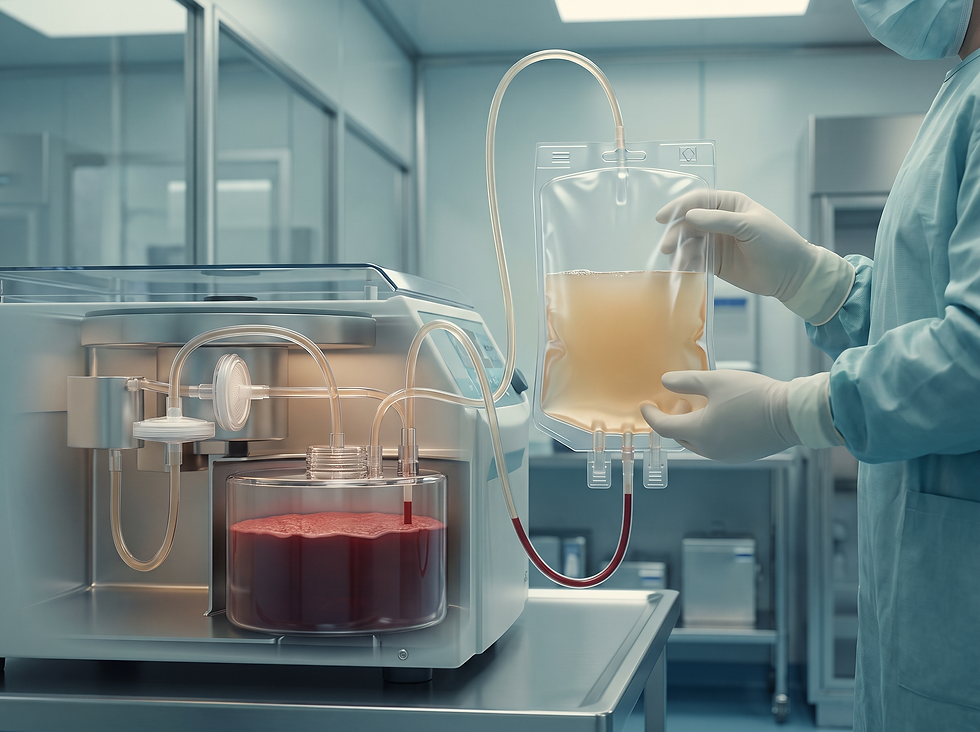
Plasma is the yellowish liquid that carries blood cells and platelets throughout the body. It is rich in electrolytes, antibodies, and, most importantly, clotting factors. When a person is injured, these factors work in tandem with platelets to seal wounds and stop blood loss. FFP provides a concentrated source of these proteins to patients whose bodies cannot produce enough of them or who have lost a significant amount of blood.
The preservation process is rigorous; plasma is separated from whole blood and frozen at -18°C or lower. This ensures that the delicate proteins remain effective for later use. When needed, the plasma is thawed to a safe temperature and administered through an intravenous (IV) line.
Indications for FFP Transfusions
Healthcare providers do not use FFP as a first-line treatment if more concentrated options, like clotting factor concentrates, are available. However, it is essential in several specific clinical scenarios.
Clotting deficiencies: used for patients with disorders like hemophilia when specific factor concentrates are unavailable.
Massive hemorrhage: administered alongside red blood cells during life-threatening blood loss from severe injuries.
Warfarin reversal: a backup option to reverse the effects of blood thinners when vitamin K is not fast enough.
Inherited TTP: replaces missing enzymes in patients with thrombotic thrombocytopenic purpura.
The Transfusion Process
Most FFP transfusions occur in a hospital setting where clinical teams can monitor the patient closely. The process is straightforward but requires careful oversight of vital signs and clotting metrics.
Preparation: the FFP is thawed to a comfortable temperature before administration.
Administration: a single unit (about 200–250 mL) is typically transfused over 30 minutes via an IV line.
Monitoring: providers track blood pressure, heart rate, and clotting tests like PT/INR or PTT.
Compatibility: ideally, the plasma matches the patient's ABO blood type to prevent rejection.

Risks and Complications
While FFP is life-saving, it is a biological product and carries inherent risks. Medical teams screen donated blood extensively, but complications can still arise.
Allergic reactions: some patients may experience mild itching or a rash, while others may have more severe immune responses.
Infections: although extremely rare due to rigorous screening, there is a minor risk of viral transmission.
Lung complications: serious conditions like TRALI (lung swelling) or TACO (fluid overload) can occur if the donor's blood is not fully compatible or if too much fluid is administered too quickly.
Recovery and Outlook
Recovery from an FFP transfusion largely depends on the underlying reason for the treatment. Most patients begin to feel better within 24 hours as their clotting ability stabilizes. Rest is crucial following the procedure, and healthcare providers will schedule follow-up visits to monitor blood counts and ensure the bleeding remains under control.

Conclusion
Fresh frozen plasma is a vital component of modern emergency medicine. By providing the essential proteins needed for coagulation, it offers a lifeline to those facing severe bleeding challenges. While medical technology continues to develop more targeted treatments, the versatility and availability of FFP ensure it remains a cornerstone of life-saving transfusion therapy.
Next Steps
Follow clinical advice: adhere to all post-transfusion instructions provided by your hematology or surgical team.
Prioritize rest: give your body at least 24 hours of significant rest following a transfusion.
Monitor for symptoms: contact your provider immediately if you experience fever, chills, shortness of breath, or a sudden rash.
Attend follow-ups: ensure all scheduled blood tests (like PT/INR) are completed to track your recovery.
Discuss long-term care: if you have a chronic bleeding disorder, talk to your specialist about long-term management strategies.
Frequently Asked Questions
What exactly is fresh frozen plasma? It is the liquid part of blood, frozen to preserve its vital clotting proteins.
Why is it called "fresh frozen"? Because it is frozen within eight hours of being collected from a donor.
Is FFP the same as a regular blood transfusion? No, a regular transfusion usually includes red blood cells, while FFP only contains the liquid plasma.
Does FFP contain blood cells? No, the red and white blood cells are removed before the plasma is frozen.
How long does the transfusion take? A single unit usually takes about 30 minutes to administer.
Will I feel the transfusion? Most patients do not feel any sensation other than the initial IV insertion.
Is FFP used for every bleeding patient? No, it is typically reserved for those with specific clotting factor deficiencies.
Can any blood type receive any plasma? Ideally, the types should match, but AB plasma is often used in emergencies as a universal option.
What are the most common side effects? Mild allergic reactions like itching or hives are the most frequent.
What is TACO in relation to FFP? It stands for transfusion-associated circulatory overload (fluid overload), which can happen if too much plasma is given too quickly.
How long does FFP stay in the body? Clotting factors vary; some work for hours, while others stay effective for days.
Is the donor blood safe? Yes, all donated blood undergoes rigorous testing for infectious diseases.
Can FFP be used for liver disease? Yes, it is often used when the liver cannot produce enough clotting proteins.
What is the recovery time? Most people start feeling the benefits within a day, but full recovery depends on the initial injury or condition.
Is FFP a permanent cure? No, it is a temporary treatment to manage active bleeding or prepare for surgery.
References
Medical disclaimer: This content is for informational purposes only and does not constitute medical advice. Always seek the advice of a qualified healthcare provider with any questions regarding a medical condition or treatment.
Comments