Arachnoiditis: Symptoms, Causes, Diagnosis and Treatment — What You Need to Know

Updated: 2 days ago
Medically reviewed by Dr. Baraa Alnahhal, MD · Last reviewed: September 2026
Editorial note: This article is for general education only. It is not medical advice, a diagnosis, or a treatment plan. Always consult a qualified healthcare professional for personal medical decisions.
TL;DR
Arachnoiditis is inflammation of the arachnoid, the middle layer of the three membranes (meninges) that cover the brain and spinal cord. It affects the lining of the spinal cord, not the brain. Symptoms have no consistent pattern, but the most common is pain — severe, shooting, burning pain like an electric shock — often with tingling, numbness or weakness in the legs, difficulty sitting, muscle cramps, and bladder, bowel or sexual dysfunction. Up to 90% of cases have been linked to lumbar spine surgeries, though it remains a rare complication of those procedures. Other causes include spinal injury, certain chemicals, infections, and chronic nerve compression. There is no cure and no known prevention; treatment focuses on managing pain and symptoms.
Quick Answer: What Is Arachnoiditis?
Arachnoiditis is a rare pain disorder caused by inflammation of the arachnoid, one of the membranes that surrounds and protects the nerves of your spinal cord. It produces severe stinging, “burning” pain — often like an electric shock — plus neurological symptoms such as tingling, numbness, and weakness in the legs.
The condition most often affects the lower and middle back. It is not life-threatening, but it is usually chronic, has no cure, and can seriously affect quality of life. Treatment focuses on managing pain and symptoms through medications, physical therapy, spinal cord stimulation, and supportive self-care.
When Should You See a Doctor?
Arachnoiditis is rare and difficult to diagnose — not every healthcare provider is familiar with it. If you have had prior lumbar spine surgery or multiple lumbar punctures and now have persistent burning or shooting back-and-leg pain, numbness, weakness, bladder or bowel changes, or trouble sitting for long periods, it is worth seeking evaluation from a provider who knows this condition.
See a healthcare professional promptly for new or worsening neurological symptoms such as progressive leg weakness, numbness that spreads over time, or loss of bladder or bowel control.
What Exactly Is Arachnoiditis?
Arachnoiditis is a rare pain disorder caused by inflammation (swelling) of the arachnoid, one of the membranes that surrounds and protects the nerves of your spinal cord. It causes severe stinging, “burning” pain and neurological problems. It most commonly affects the nerves of your lumbar spine (low back) and thoracic spine (middle back), and it rarely affects your entire spine.
The course of the condition is highly variable: arachnoiditis can be static (stays the same) or progressive (gets worse over time).
Where Does It Happen in the Spine?
The arachnoid mater is part of the meninges — three layers of membranes that cover and protect your brain and spinal cord. It is the middle layer; the other two are the dura mater and the pia mater. Three spaces sit within these layers:
Epidural space: between the skull and dura mater, and between the dura mater of the spinal cord and the vertebral bones.
Subdural space: a potential space between the dura mater and arachnoid mater. It can open when the arachnoid separates from the dura because of trauma, a pathologic process, or lack of cerebrospinal fluid — and this can happen with arachnoiditis.
Subarachnoid space: between the arachnoid mater and pia mater, filled with cerebrospinal fluid that cushions and protects the brain and spinal cord.
Importantly, arachnoiditis affects the arachnoid layer somewhere along your spinal cord, not your brain.
What Happens to the Arachnoid?
Damage to and inflammation of the arachnoid (in the subarachnoid or subdural space) triggers a cascade of changes:
Collagen deposits: buildup of collagen proteins in the tissue.
Scar tissue and fibrosis: nerve roots become enclosed in scar tissue and the tissue thickens.
Decreased cerebrospinal fluid flow: less fluid movement in the subarachnoid space.
Clumping of nerve roots: nerve roots stick together.
Impaired blood supply: reduced circulation to the affected nerves.
Nerve atrophy and damage: wasting of nerve tissue and lasting injury, with nerves sometimes tethered.
These changes frequently result in pain and possible neurological deficits, such as muscle weakness and sensory issues.

Figure 1: The arachnoid is the middle of three spinal membranes; when it becomes inflamed, scar tissue can enclose and clump the nerve roots.
What Is Adhesive Arachnoiditis?
As arachnoiditis progresses, scar tissue can form and cause the spinal nerves to stick together and malfunction. This leads to a condition called chronic adhesive arachnoiditis, which can potentially lead to disability. Many people with the condition eventually need to use a wheelchair because of paraparesis — being partially unable to move the legs.
Is Arachnoiditis Serious?
Arachnoiditis is not life-threatening, but the chronic pain and neurological issues can greatly affect your quality of life. It is important to find a healthcare provider who is familiar with arachnoiditis to receive the best treatment.
How Common Is Arachnoiditis?
Arachnoiditis is rare, but researchers do not know exactly how widespread it is. Because its presentation ranges from very mild to severe, many mild cases either never get diagnosed or are not reported. Recent studies show that the frequency of lumbar arachnoiditis appears to be increasing, linked to the growing number of lumbar spine surgeries.
What Are the Symptoms of Arachnoiditis?
Arachnoiditis has no consistent pattern of symptoms, though the most common is pain. Symptoms vary depending on which spinal nerve is affected and range from mild to severe. The condition most commonly affects the nerves connecting to your lower back and legs (the lumbar spine). Symptoms can include:
Severe shooting pain: can feel similar to an electric shock.
Tingling, numbness or weakness in the legs: sensory and strength changes in the lower limbs.
Formication: sensations that feel like insects crawling on your skin, or water trickling down your leg.
Headaches: recurrent head pain.
Difficulty sitting: it can be hard to sit for a long time, if at all.
Muscle cramps, spasms or twitching: including uncontrollable twitching.
Neurogenic bladder: bladder problems caused by nerve damage.
Bowel dysfunction: disrupted bowel function.
Sexual dysfunction: such as erectile dysfunction or vaginal dryness.
Symptoms may become more severe or even permanent if the condition progresses. Many people with arachnoiditis are unable to work and have a significant disability because of constant pain.
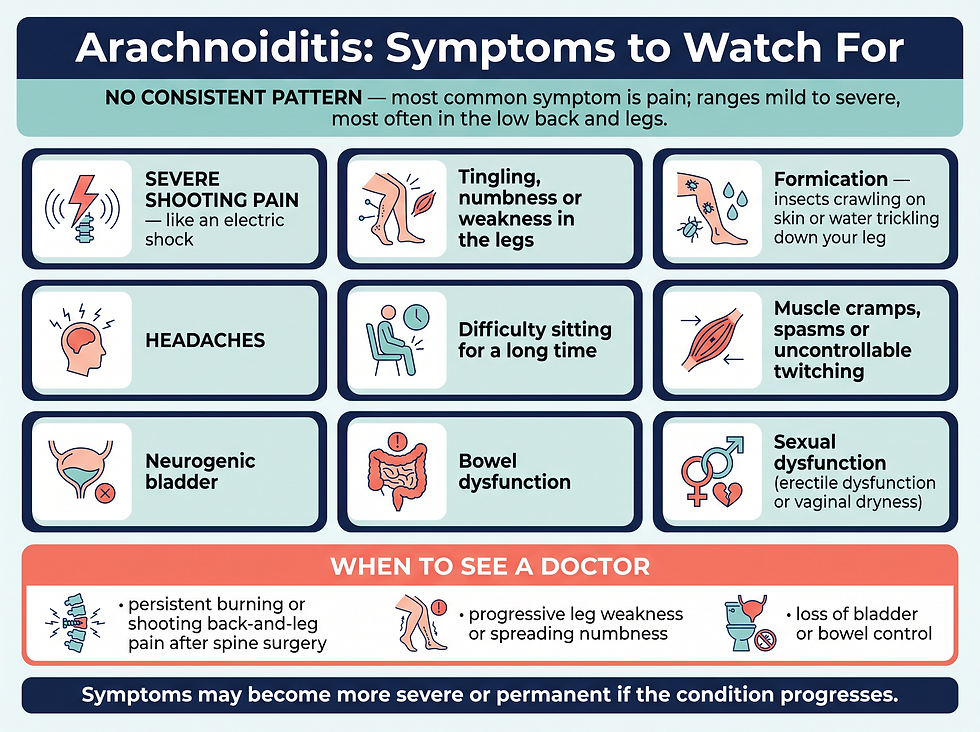
Figure 2: Symptoms of arachnoiditis have no consistent pattern, but most often involve pain and changes in the low back and legs.
What Causes Arachnoiditis?
In many cases, healthcare providers cannot determine the exact cause. Arachnoiditis is rare, has multiple possible causes, and symptoms can appear a while after the incident that caused it. The arachnoid can become inflamed because of irritation from one of these sources:
Spinal surgery or multiple lumbar punctures: up to 90% of arachnoiditis cases have been linked to lumbar spine surgeries, though it remains a rare complication of these procedures. Learn more about the headache that can follow a lumbar puncture.
Direct injury to your spine: in rare cases, trauma such as a fall or vehicle accident can lead to arachnoiditis.
Chemicals: the dye used in myelograms (iofendylate) has been blamed for some cases and is no longer used. There is also concern that preservatives in epidural steroid injections may cause arachnoiditis.
Infection: bacterial or viral infections — such as viral and fungal meningitis, tuberculosis, or HIV — can affect the spine and cause arachnoiditis.
Chronic compression of spinal nerves: due to degenerative disc disease or advanced spinal stenosis (narrowing of the spinal column).
Less commonly reported causes include ankylosing spondylitis, Guillain-Barré syndrome, and autoimmune vasculitis.

Figure 3: Spinal surgery is the most commonly linked cause; other triggers include injury, chemicals, infections, and chronic nerve compression.
How Is Arachnoiditis Diagnosed?
Arachnoiditis can be difficult to diagnose because it is rare and not all healthcare providers are familiar with it. There are also no reliable laboratory tests or imaging findings that definitively diagnose it. Providers base the diagnosis on clinical presentation and symptoms, along with supporting MRI or CT myelography. Your provider may order:
MRI (magnetic resonance imaging): a painless test that produces detailed images of your spine; the provider looks for signs such as nerve root thickening and clumping.
CT myelogram: an imaging procedure that examines the relationship between your vertebrae and discs, spinal cord, nerves, and nerve roots.
Lumbar puncture: spinal fluid is withdrawn with a needle for testing; important if arachnoiditis may be due to infection in the spinal fluid.
EMG (electromyogram): uses electrical impulses to check nerve function and helps assess the severity of damage to the affected nerve roots.
How Is Arachnoiditis Treated?
Unfortunately, there is no cure for arachnoiditis. Treatment focuses on alleviating pain, improving quality of life, and managing symptoms. Options resemble those for other chronic pain conditions, often as a combined program:
Pain management: structured pain management programs.
Physical therapy and exercise: hydrotherapy, massage, stretching, and range-of-motion exercises.
Psychotherapy: talk therapy to help cope with chronic pain.
Adaptive equipment or technology: to help with mobility and comfort.
Spinal cord stimulation: a device that transmits an electrical signal to your spinal cord for pain relief.
Medications: your provider may recommend NSAIDs or stronger pain medications, and may prescribe drugs such as duloxetine, gabapentin, or pregabalin, plus muscle relaxants such as baclofen.
Can Arachnoiditis Be Prevented?
Unfortunately, there is no known way to prevent arachnoiditis.
What Is the Outlook?
Arachnoiditis is usually chronic (lifelong) and may be progressive, meaning it gets worse over time. Therapies can help manage symptoms, but there is no cure. The quality of life of people with severe arachnoiditis is often poor because of significant neurological symptoms and pain, and some people are unable to work full time. Many people with arachnoiditis, however, can walk and drive a car without significant limitations.
How Can You Care for Yourself?
Besides following your provider’s plan, these self-care actions can help you cope with chronic pain and improve overall health:
Avoid smoking: smoking worsens chronic pain conditions.
Do not do too much: create a daily schedule with a few priorities, plus time for rest and self-care.
Eat well, exercise if possible, and sleep enough: these support overall health, mobility and strength; sleep problems worsen pain.
Manage stress and limit alcohol: stress can amplify pain, and alcohol can cause more sleep and pain problems.
Join a support group: learn from other people with chronic pain or arachnoiditis, online or in person.
Use healthy pain-coping methods: meditation, aromatherapy, biofeedback, and mindfulness training.
Treating your mental health matters too. Depression and anxiety can make chronic pain worse, since fatigue, sleep changes, and decreased activity may worsen it, so seek treatment for those conditions as well. If you have been diagnosed with arachnoiditis, see your healthcare provider regularly to monitor your symptoms and treatment plan.
Key Takeaways
Arachnoiditis is a rare, usually chronic inflammation of the membrane protecting the spinal nerves; it is not life-threatening.
The hallmark is severe burning, shooting pain, often with leg tingling, numbness, weakness, and bladder, bowel or sexual dysfunction.
Up to 90% of cases have been linked to lumbar spine surgery, though it remains a rare complication of those procedures.
Diagnosis rests on symptoms plus MRI or CT myelography; no reliable lab test exists.
There is no cure and no known prevention; care centers on medications, physical therapy, spinal cord stimulation, and self-care.
A provider familiar with arachnoiditis can make a real difference — seek one out if you have persistent burning back-and-leg pain after spine procedures.
Related Reading
Frequently Asked Questions
What does arachnoiditis pain feel like?
It causes severe stinging, “burning” pain. A common description is severe shooting pain similar to an electric shock.
Where does arachnoiditis occur?
It most commonly affects the nerves of the lumbar (low back) and thoracic (middle back) spine. It rarely affects the entire spine, and it affects the lining of the spinal cord — not the brain.
Is arachnoiditis the same as adhesive arachnoiditis?
Not exactly. Adhesive arachnoiditis is the form that develops as arachnoiditis progresses: scar tissue causes spinal nerves to stick together and malfunction, which can potentially lead to disability.
Can arachnoiditis cause paralysis?
It can potentially lead to disability, and many people with chronic adhesive arachnoiditis eventually need a wheelchair because of paraparesis — being partially unable to move the legs. Full paralysis is not described; the clinical sources describe partial loss of leg movement.
Is arachnoiditis life-threatening?
No. It is not life-threatening, but the chronic pain and neurological issues can greatly affect quality of life.
Why is arachnoiditis hard to diagnose?
It is rare, not all providers are familiar with it, and there are no reliable laboratory or imaging tests that definitively diagnose it. Diagnosis is based on clinical presentation and symptoms, with supporting MRI or CT myelography.
What tests are used to diagnose arachnoiditis?
MRI (looking for nerve root thickening and clumping), CT myelogram, lumbar puncture (if infection in the spinal fluid is suspected), and EMG (to assess the severity of nerve root damage).
Is arachnoiditis linked to back surgery?
Up to 90% of cases have been linked to lumbar spine surgeries, though arachnoiditis is a rare complication of those procedures. Multiple lumbar punctures are also listed as a possible source of irritation.
Is the old myelogram dye still used?
No. The contrast dye blamed for some cases (iofendylate) is no longer used. There is, however, concern that preservatives in epidural steroid injections may cause arachnoiditis.
Can infections cause arachnoiditis?
Yes. Viral and fungal meningitis, tuberculosis, and HIV can affect the spine and cause arachnoiditis.
How common is arachnoiditis?
It is rare, and researchers do not know exactly how widespread it is. Many mild cases are never diagnosed or reported. The frequency of lumbar arachnoiditis appears to be increasing with the rise in lumbar spine surgeries.
Is there a cure for arachnoiditis?
No. Treatment focuses on alleviating pain, improving quality of life, and managing symptoms.
What treatments help?
Programs similar to those for other chronic pain conditions: pain management, physical therapy (hydrotherapy, massage), stretching and range-of-motion exercises, psychotherapy, adaptive equipment, spinal cord stimulation, and medications such as NSAIDs, duloxetine, gabapentin, pregabalin, and muscle relaxants like baclofen.
Will arachnoiditis get worse over time?
The course is highly variable: it can be static (stay the same) or progressive (get worse). It is usually chronic (lifelong).
Can I still walk and drive with arachnoiditis?
Many people with arachnoiditis can walk and drive a car without significant limitations, though some are unable to work full time because of constant pain and neurological issues.
Does mental health affect the pain?
Yes. Depression and anxiety can make chronic pain worse because fatigue, sleep changes, and decreased activity may worsen it. Treating mental health conditions is part of good management.
References
Medical disclaimer: This article is for general informational purposes only and does not constitute medical advice, diagnosis, or treatment. Always seek the advice of your physician or another qualified health provider with any questions you may have regarding a medical condition. Never disregard professional medical advice or delay seeking care because of something you have read here. Arachnoiditis is difficult to diagnose and best managed by a provider familiar with the condition. If you experience new or worsening neurological symptoms — such as progressive leg weakness, spreading numbness, or loss of bladder or bowel control — seek prompt medical evaluation.
Comments