Anastomosis Explained: Restoring Flow Through Surgical Connections

Updated: 1 hour ago
Medically reviewed by Dr. Baraa Alnahhal, MD · Last reviewed: September 2026
TL;DR
Anastomosis is a critical surgical procedure used to connect two tubular structures in the body, such as blood vessels or intestines. This technique is essential for restoring normal physiological flow after removing diseased tissue or bypassing blockages. While highly effective, it requires careful monitoring during recovery to manage potential risks like strictures or leaks.
Quick Answer
Anastomosis is the surgical joining of two tubular structures, most commonly parts of the gastrointestinal tract or blood vessels. It is used to restore normal flow or create new pathways after tissue removal or to bypass obstructions. Surgeons employ various methods, including end-to-end, side-to-side, and end-to-side connections, using sutures or staples. Successful recovery involves gradual dietary reintroduction and monitoring for signs of infection or leakage.
Overview of Anastomosis
Anastomosis is a fundamental surgical technique that involves the connection of two separate tubular structures within the body. While the human body naturally possesses many such connections, surgeons frequently create new ones to address medical needs. This procedure is most commonly performed to restore the continuity of the digestive tract or circulatory system following the removal of damaged, diseased, or obstructed tissue.
The ability to create these connections is a cornerstone of modern surgery, making complex procedures like organ transplants, bypass surgeries, and extensive bowel resections possible. By joining healthy segments of tissue, surgeons can ensure that vital fluids, such as blood, bile, or digestive waste, continue to flow through the body as intended.
Types of Surgical Anastomosis
Surgeons utilize different types of anastomosis depending on the organ system involved and the specific goals of the procedure. Each type is tailored to the anatomical requirements of the area being treated.
Intestinal: Connects parts of the gastrointestinal tract (for example, bowel resection and gastric bypass).
Vascular: Joins blood vessels, arteries or veins (for example, coronary bypass and dialysis fistula).
Urinary: Reconnects ureters, bladder, or urethra (for example, bladder neck reconstruction).
Biliary: Connects bile ducts for fluid transport (for example, liver transplant and bile duct repair).
Respiratory: Reconnects the windpipe or breathing tubes (for example, tracheal resection).
Nerve/Tendon: Joins nerves or tendons to restore function (for example, nerve grafting and tendon repair).
Surgical Techniques and Methods
The method used to create an anastomosis depends on the size and orientation of the tubes being connected. Surgeons have developed several standardized approaches to ensure a secure and functional seal.
End-to-End Anastomosis: This method involves joining two open ends of a tube to form a single, seamless pathway. It is frequently used when a segment of the intestine or a blood vessel has been removed.
Side-to-Side Anastomosis: In this approach, two tubes are positioned side-by-side and a connection is created between their walls. The original open ends are then closed off. This method can provide a wider opening for flow.
End-to-Side Anastomosis: This technique connects the open end of one tube to the side wall of another. It is commonly used in bypass surgeries and certain types of intestinal reconstructions.
Potential Risks and Complications
While most anastomosis procedures are successful, they carry specific risks that require careful clinical management. Understanding these potential complications is essential for both the surgical team and the patient.
Stricture (Stenosis): Narrowing of the tube due to scar tissue. Managed by widening with balloons or stents.
Anastomotic Leak: Failure of the seal, allowing fluids to escape. Managed by early intervention, drainage, or repair.
Infection: Bacterial growth at the surgical site. Managed with antibiotics or surgical cleaning.
Bleeding: Internal hemorrhage at the connection point. Managed with monitoring or surgical cauterization.
Strictures can impede the movement of food, urine, or blood, while leaks are considered more serious as they can allow bacteria or waste to enter sterile areas of the body, potentially leading to severe infections like peritonitis.
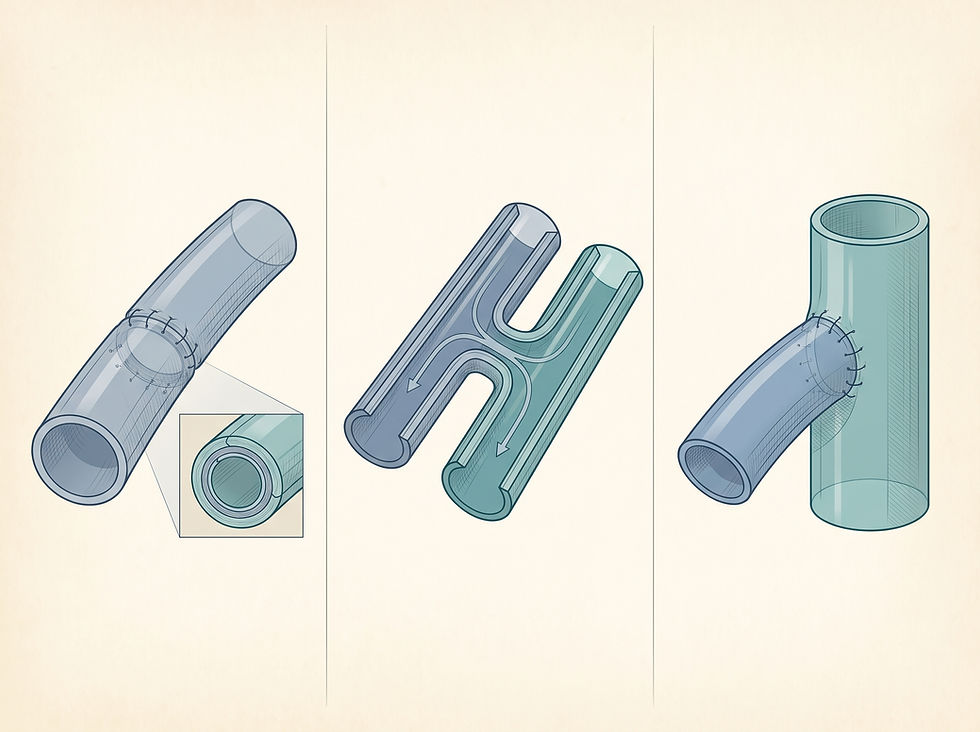
Figure 1: A conceptual illustration showing the three primary methods of surgical anastomosis: end-to-end, side-to-side, and end-to-side connections.

Figure 2: A visual guide highlighting the most common applications of anastomosis in the human body, specifically focusing on the gastrointestinal and circulatory systems.

Figure 3: An infographic outlining the typical recovery steps, including dietary reintroduction and key warning signs to monitor after surgery.
Frequently Asked Questions
1. What exactly is an anastomosis? It is a surgical connection made between two tubes in the body, such as blood vessels or intestines.
2. Why is this procedure performed? It is used to restore normal flow after removing damaged tissue or to bypass a blockage.
3. What are the most common types? Intestinal and vascular anastomoses are the two most frequently performed types.
4. How are the tubes connected? Surgeons use specialized sutures, staples, or sometimes biocompatible glues to create the connection.
5. What is an end-to-end connection? It is when two open ends of a tube are joined directly to form a continuous pathway.
6. What is an anastomotic leak? It occurs when the new connection does not seal completely, allowing fluids to leak into surrounding tissue.
7. Is a leak serious? Yes, leaks can be very serious and require immediate medical attention to prevent infection.
8. What is a stricture? A stricture is a narrowing of the tube at the connection site, often caused by the formation of scar tissue.
9. How is a stricture treated? It can often be treated non-surgically by widening the area with a medical balloon or tube.
10. How long is the recovery? Full recovery typically takes several weeks, depending on the complexity of the surgery.
11. Will I be able to eat normally right away? No, food and drink are usually reintroduced slowly, starting with liquids.
12. When should I call my doctor? Call immediately if you experience fever, worsening pain, or signs of infection at the incision site.
13. What if the tissue is too inflamed for a connection? A surgeon may wait for healing or create an ostomy to divert waste temporarily.
14. Are there natural anastomoses? Yes, the body has many natural connections between vessels that provide alternative pathways for flow.
15. Can nerves be connected this way? Yes, nerve anastomosis is used to reconnect damaged nerves to help restore feeling or movement.
Conclusion
Anastomosis is an indispensable surgical tool that allows for the restoration of vital bodily functions. Whether reconnecting the digestive tract or bypassing a blocked artery, these surgical connections are essential for successful patient outcomes. By employing advanced techniques and vigilant post-operative care, surgeons can effectively manage the complexities of these procedures and support a safe recovery.
Next Steps
If you are preparing for a surgery that involves an anastomosis, discuss the specific technique and recovery plan with your surgeon. Ensure you understand the dietary restrictions and the importance of monitoring for warning signs during the first few weeks at home. Arranging for adequate support during your recovery will help ensure the best possible results.
References
Medical disclaimer: The information provided in this article is for educational purposes only and should not be construed as medical advice. Always seek the counsel of a qualified healthcare professional regarding any medical condition or treatment.
Comments