Acupuncture: Benefits, Procedure, and What to Expect

Updated: 2 days ago
Medically reviewed by Dr. Baraa Alnahhal, MD · Last reviewed: September 2026
Last updated: September 2026
TL;DR
Acupuncture is a traditional Chinese medical practice that involves inserting thin needles into specific points on the body to relieve pain and treat various health conditions. By stimulating the nervous system, it prompts the release of natural painkillers and helps rebalance the body's energy flow.
Quick Answer
What is acupuncture?
A supplemental therapy where a qualified practitioner inserts sterile, hair-thin needles into specific "acupoints" to stimulate the body's natural healing processes.
Primarily used for chronic pain relief, it works by rebalancing "qi" (energy) and triggering the release of endorphins and neurotransmitters.
Most patients undergo weekly sessions and may need at least five treatments to feel the full benefit.
It is low-risk when performed by trained professionals using regulated, single-use equipment.
Understanding Acupuncture
Acupuncture is a traditional therapeutic method rooted in ancient Chinese medicine that has gained significant recognition in modern Western clinical practice. The procedure involves precisely inserting exceptionally thin, solid steel needles into specific locations on the skin known as "acupoints," distributed across the back, neck, head, face, and limbs. While traditional principles focus on rebalancing the body's vital energy, or "qi," modern medical perspectives emphasize stimulation of the central nervous and immune systems to promote healing and symptom relief.
Scientific research has supported acupuncture's effectiveness for a variety of conditions, particularly chronic pain management. It is frequently used as a supplemental therapy alongside conventional medical treatments. By targeting specific nerve pathways, acupuncture encourages the body to release natural chemicals, such as endorphins and neurotransmitters, which act as the body's own painkillers and regulators of nerve impulses. This dual approach — addressing both the energetic and physiological aspects of health — makes acupuncture a versatile tool in a patient's care plan.

Conditions Treated by Acupuncture
Acupuncture is most commonly sought for relief of chronic, long-term pain, though its uses extend to a wide range of systemic and reproductive health issues.
Category | Conditions and symptoms treated |
Chronic pain | Arthritis, lower back pain, neck pain, muscle tension, and knee pain |
Neurological | Tension headaches, migraines, and facial nerve discomfort |
Reproductive | Menstrual cramps, infertility, and menopause-related hot flashes |
Systemic and other | Immune system disorders, irritable bowel syndrome (IBS), and cancer treatment side effects |
Injuries | Sports-related injuries, repetitive strain disorders, and overuse syndrome |
The Acupuncture Procedure
During an initial consultation, the acupuncturist reviews the patient's health history and identifies the areas that will respond best to treatment. The needles used are sterile, disposable, and as fine as a human hair. Because they are solid and much thinner than the hollow needles used for injections or blood draws, the sensation is typically described as a minor prick rather than significant pain.
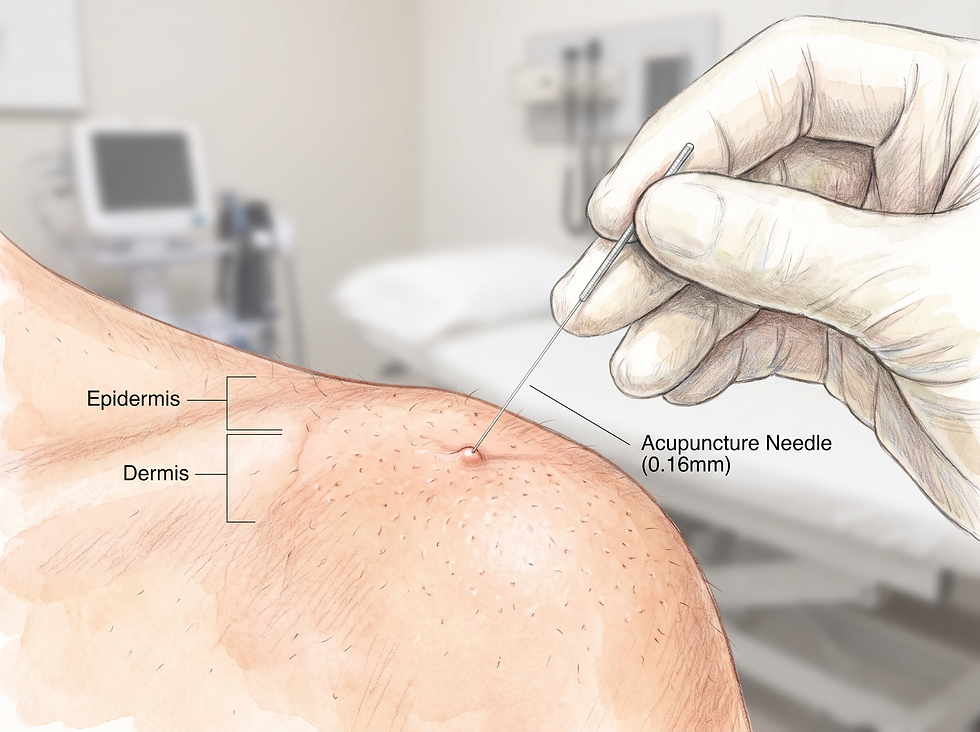
Insertion depth varies by target area, ranging from a fraction of an inch to several inches. Once placed, the needles stay in position anywhere from a few minutes to about 20 minutes. Patients may notice sensations such as dull aches, tingling, or a feeling of heaviness, which are generally interpreted as signs the treatment is stimulating the intended pathways.
Types of Acupuncture and Similar Techniques
Practitioners may use different methods depending on a patient's needs and their own training. Traditional methods focus on meridians and energy flow, while modern approaches integrate Western anatomical knowledge.
Feature | Acupuncture | Dry needling |
Origin | Ancient Eastern medicine | Modern Western medicine |
Practitioner | Licensed acupuncturist | Physical therapist or other healthcare provider |
Focus | Musculoskeletal and systemic health | Primarily musculoskeletal trigger points |
Goal | Rebalancing qi and stimulating systems | Releasing muscle knots and tension |
Another specialized form is auricular acupuncture, which focuses exclusively on points within the ear and is often used for targeted relief of chronic back pain and discomfort associated with cancer. For myofascial pain, trigger point therapy uses needles to "unknot" tight, painful muscle tissue that may be causing pain that is felt elsewhere in the body.
Safety and What to Expect
When performed by a qualified, licensed professional, acupuncture is associated with very few complications. The U.S. Food and Drug Administration (FDA) strictly regulates acupuncture needles, requiring them to be sterile, nontoxic steel, and intended for single use only. It is important to seek treatment from trained providers, since unqualified practitioners may cause infections, organ punctures, or injuries to the central nervous system.

Many patients report a calming effect after a session. It is often recommended to rest for five to ten minutes before driving, especially after the first treatment. Some practitioners may suggest a day or two of reduced physical activity to let the body fully respond to the therapy. Full clinical benefits are rarely achieved in a single session; most patients are advised to commit to at least five treatments, typically scheduled once a week, to properly evaluate the therapy's effectiveness for their condition.
Conclusion
Acupuncture represents a bridge between ancient wisdom and modern clinical care, offering a low-risk option for managing chronic pain and various systemic health issues. By leveraging the body's natural healing mechanisms through precise stimulation, it provides a valuable supplemental approach for people seeking relief beyond conventional medications alone.
Considering acupuncture? Start by talking with your primary healthcare provider to make sure it is appropriate for your specific needs. Once cleared, look for a licensed, qualified acupuncturist to build a personalized treatment plan, and be prepared to commit to a series of sessions to fairly judge its impact on your well-being.
Frequently Asked Questions
What exactly is acupuncture?
Acupuncture is a traditional Chinese therapy that involves inserting very thin needles into specific points on the body to relieve symptoms like pain and rebalance the body's energy.
How does acupuncture work from a medical perspective?
It stimulates the central nervous and immune systems, prompting the release of natural chemicals like endorphins and neurotransmitters to help fight illness and pain.
Does acupuncture hurt?
Most people feel only a minor prick. The needles are hair-thin and solid, making them much less noticeable than standard medical needles used for shots.
What conditions can acupuncture help with?
It is primarily used for chronic pain such as back pain, neck pain, and headaches, but it can also help with infertility, IBS, menstrual cramps, and cancer treatment side effects.
Is acupuncture safe?
Yes, when performed by a qualified professional using sterile, single-use needles that are regulated by the FDA.
How deep do the needles go?
Depth varies from a fraction of an inch to a few inches, depending on the area being treated and the condition.
How long do the needles stay in?
Needles typically stay in place for a few minutes up to about 20 minutes during a session.
What is "qi" and why does it matter?
Qi is the traditional Chinese concept of vital energy. Practitioners believe disruptions in its flow can cause illness, and acupuncture helps restore balance.
What is the difference between acupuncture and dry needling?
Acupuncture is based on Eastern medicine and treats systemic issues, while dry needling is a Western technique used by physical therapists for muscle knots.
Can I drive home after my treatment?
Because acupuncture has a calming effect, it is recommended to rest for 5 to 10 minutes before driving, or have someone else drive you after your first session.
How many treatments will I need?
Most people have weekly appointments, and it is recommended to try at least five treatments to see whether the therapy is effective for you.
Are there any side effects?
When done correctly, side effects are rare but may include minor bruising or sensations like tingling or heaviness at the needle sites.
Is acupuncture covered by insurance?
Coverage varies by provider and plan. Some insurance companies cover a limited number of treatments for specific conditions.
What should I do after my session?
Your practitioner may suggest taking it easy for a day or two and staying hydrated to support the body's response.
Can acupuncture be used with other medical treatments?
Yes, it is typically used as a supplemental therapy alongside prescribed medications and conventional treatments.
References
This article is based on medically reviewed clinical information, including the sources below.
This article is for educational purposes only and is not a substitute for professional medical advice. Always consult a qualified healthcare professional for diagnosis and treatment.
Comments